How Swedish License Mandates Influence Bonus Rollover Calculations Across Digital Wallet Integrations
Skriven av Yara Zimmermann · 2026-10-18
How Swedish License Mandates Influence Bonus Rollover Calculations Across Digital Wallet Integrations
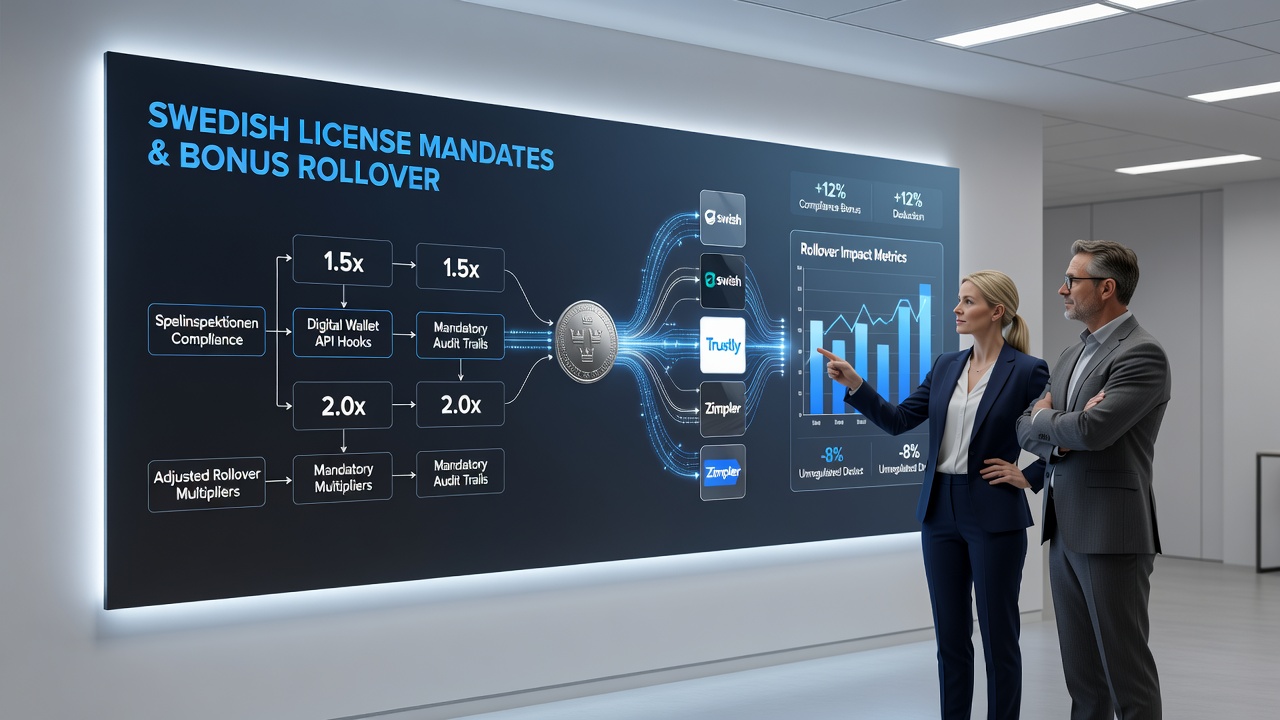
Swedish gambling operators holding licenses from Spelinspektionen must follow detailed rules that shape how bonus funds convert into playable amounts and how wagering requirements get tallied, especially when players route deposits through digital wallets such as Trustly, Swish, or international e-wallets. These mandates require transparent calculation methods, and operators adjust their systems accordingly to maintain compliance while processing real-time wallet transactions that often bypass traditional bank delays.
Core Elements of Swedish License Conditions on Bonuses
License holders operate under the Gambling Act provisions that set minimum standards for bonus structures, including how rollover thresholds are defined and which transaction types contribute toward completion. Data from Spelinspektionen shows that all licensed platforms must publish exact formulas for converting bonus credits, with particular attention to deposit sources that qualify or disqualify certain contributions. Observers note that wallet integrations introduce variables because instant transfers can trigger immediate bonus crediting, which then starts the clock on time-bound wagering periods without the lag typical of card or bank methods.
Calculations frequently separate wallet deposits from other funding sources to prevent abuse, yet the rules demand uniform application across all eligible channels. Research indicates that platforms recalibrate their backend algorithms each quarter to reflect any interpretive guidance issued by the authority, ensuring rollover meters reflect only qualifying wagers placed after the bonus activation point.
Digital Wallet Mechanics and Rollover Tracking
Digital wallets connect directly to operator APIs, allowing seamless movement of funds that regulators monitor for compliance with anti-money laundering layers embedded in license conditions. When a player deposits via such a service, the system logs the amount, timestamp, and bonus allocation in a single record, which then feeds directly into the rollover counter. This integration means calculations often run on a per-transaction basis rather than aggregated daily totals, reducing rounding discrepancies that once appeared in older batch-processing models.
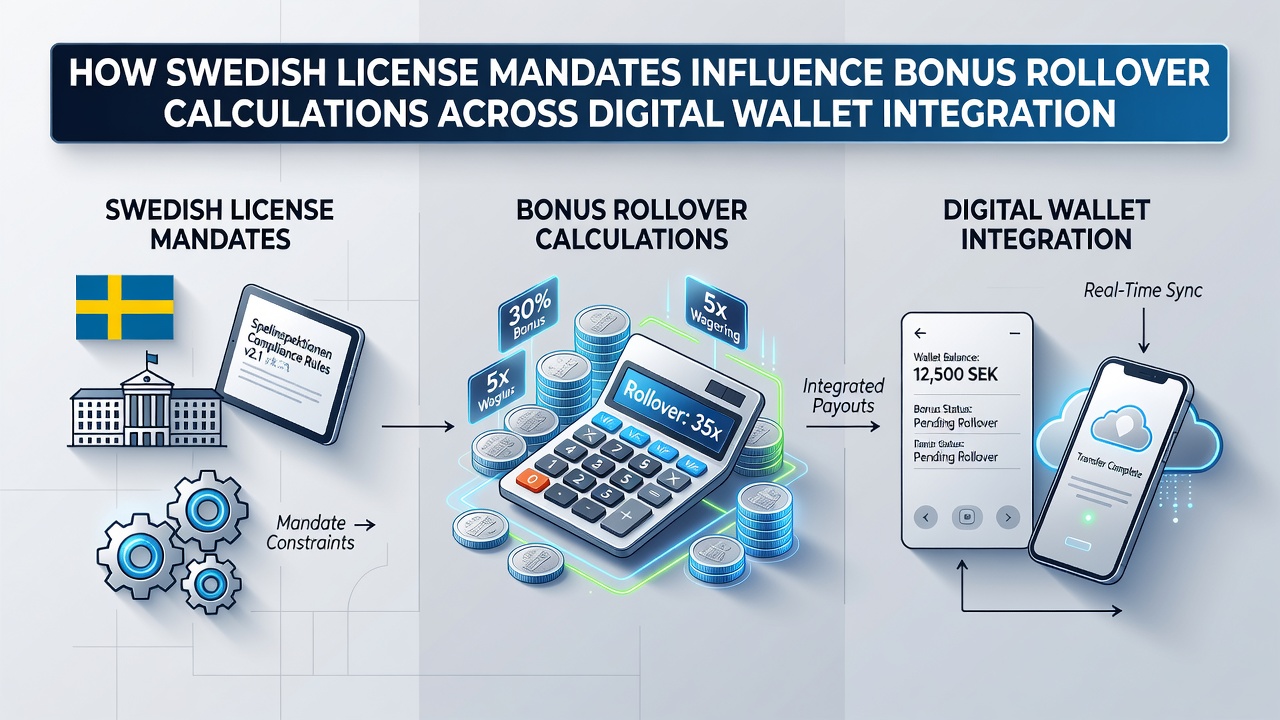
Studies from European gaming technology institutes reveal that wallet providers transmit metadata including user verification status, which operators cross-reference against license-mandated identity checks before advancing the rollover meter. Those who manage multiple wallets sometimes encounter tiered contribution rates, where certain e-wallet brands count at 100 percent toward requirements while others receive partial credit based on risk profiles established during licensing audits.
Regulatory Updates and October 2026 Implementation Timeline
Spelinspektionen continues to refine technical standards ahead of the October 2026 review cycle, focusing on how real-time wallet APIs report wager completion data back to central monitoring systems. Updated guidance requires operators to demonstrate that rollover engines handle cross-border wallet transfers without creating calculation gaps, particularly when currency conversion occurs mid-session. Figures released in recent compliance reports highlight that platforms adopting these standards reduced discrepancy incidents by measurable margins compared with prior periods.
Operators integrate these changes by updating their terms to specify wallet-specific multipliers or exclusions, all while preserving the core mandate that every player sees identical calculation rules regardless of chosen deposit method. Academic papers on payment integration in regulated markets document similar patterns across jurisdictions, underscoring the emphasis on audit trails that link each wallet transaction to its corresponding bonus activity.
Practical Examples from Licensed Platforms
Take one operator that adjusted its system in 2025 to flag Trustly deposits separately within the rollover dashboard, ensuring instant verification did not accelerate bonus release beyond license limits. Another platform documented cases where Swish transfers triggered faster meter updates, prompting the addition of secondary confirmation steps to align with authority expectations around transaction finality. These adjustments illustrate how license conditions translate into code-level decisions that affect daily player experiences across wallet channels.
Industry associations tracking Nordic markets report consistent patterns where digital wallet volume rose steadily, pushing developers to refine algorithms that distinguish between deposit and withdrawal flows when calculating remaining rollover balances. The result appears in standardized reporting formats that regulators review during routine inspections.
Conclusion
Swedish license mandates establish precise frameworks that directly govern how bonus rollovers accumulate when digital wallets handle deposits and related activity. Operators maintain compliance by embedding these rules into API connections and tracking systems, producing consistent outcomes across varied wallet providers. As technical standards evolve toward the October 2026 milestones, platforms continue refining their calculation processes to match regulatory expectations while supporting efficient player transactions.