Seasonal Sporting Events and Their Effect on Time-Sensitive Wager Requirements at Sweden's Regulated Betting Operators
Skriven av Theo Hayes · 2026-10-04
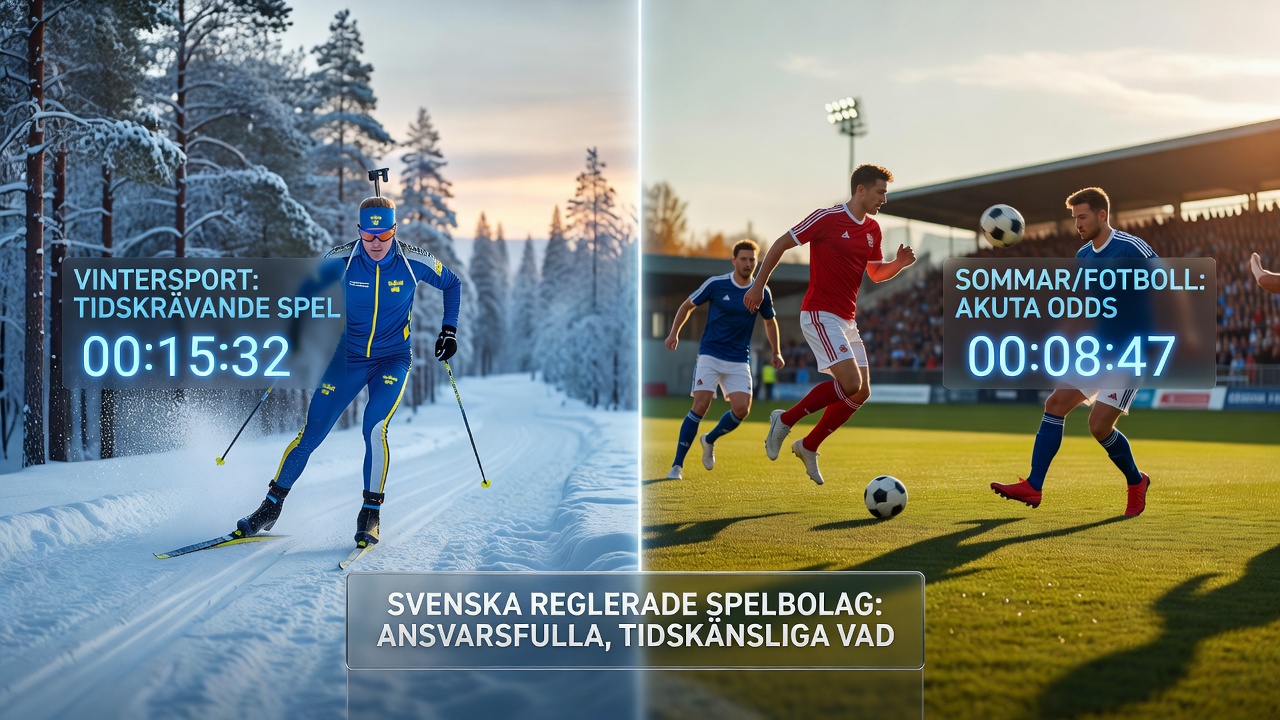
Seasonal Sporting Events and Their Effect on Time-Sensitive Wager Requirements at Sweden's Regulated Betting Operators
Sweden's regulated betting market operates under Spelinspektionen oversight, where time-sensitive wager requirements tie directly to bonus structures and promotional offers that operators must clear within set periods. Seasonal sporting events create measurable shifts in betting volumes, and those fluctuations influence how operators structure deadlines for completing wagering obligations. Data from the Swedish gambling authority shows increased activity during major leagues and tournaments, which in turn prompts adjustments to requirement windows and eligible bet types.
Regulatory Framework Governing Wager Timelines
Operators licensed in Sweden follow strict rules on bonus promotions, including mandatory time limits for fulfilling wager requirements that range from seven to thirty days depending on the offer. These limits exist to maintain market integrity, yet seasonal peaks alter player behavior patterns and operator risk calculations. Figures released by Spelinspektionen indicate that football and ice hockey seasons generate the highest transaction volumes, forcing platforms to recalibrate which events count toward active wagering periods.
During quieter months outside primary competition calendars, many operators extend deadlines or introduce flexible rollover categories to sustain engagement. When major events return, requirements tighten because higher bet volumes reduce the average time needed to clear thresholds. Observers note that this dynamic appears most clearly in Allsvenskan football matches and SHL hockey games, where live betting options multiply eligible wagers within compressed timeframes.
Major Seasonal Events Driving Volume Changes
Football dominates the Swedish calendar from late March through October, with the 2026 Allsvenskan season scheduled to conclude its regular fixtures around the same period. October 2026 will mark the final weeks of league play alongside potential European qualification matches, periods when operators historically record elevated daily wager counts. Ice hockey follows a parallel winter schedule from September to April, overlapping with international tournaments that further concentrate betting traffic on regulated platforms.
Tennis Grand Slams and horse racing circuits add shorter but intense spikes, often prompting operators to limit which markets qualify for bonus clearance during those windows. Research from European gaming associations reveals that these concentrated periods correlate with faster completion rates of time-bound requirements, because players encounter more frequent and diverse betting opportunities within the same calendar week.

How Operators Adjust Requirement Structures
Regulated platforms respond to seasonal demand by modifying eligible event lists and minimum odds thresholds that count toward active wagering. During peak football months, many sites expand live-betting categories while shortening the overall clearance window to manage liability exposure. Conversely, in transitional periods between seasons, operators introduce extended deadlines or multi-sport accumulator bonuses that allow requirements to roll over across slower weeks.
Payment method data collected across Swedish platforms shows that mobile users complete wager targets more rapidly when high-profile matches coincide with deposit bonuses. This pattern emerges because instant deposit options and in-play markets reduce friction between placing bets and tracking progress. Industry reports from the European Gaming and Betting Association document similar adjustments in other regulated markets, where seasonal calendars directly inform promotional calendars.
Player Behavior Patterns Across Calendar Cycles
Those who track Swedish betting trends observe that wager completion accelerates during October league finales and March season openings, when fixture density peaks. Players often concentrate activity on domestic leagues rather than international friendlies because the former offer more predictable markets and higher liquidity. Time-sensitive requirements therefore become easier to satisfy when event calendars align with bonus activation dates, yet the same requirements grow more challenging during summer breaks when fewer matches appear on operator schedules.
Spelinspektionen compliance data further indicates that operators must maintain transparent logs of requirement modifications, ensuring that any seasonal adjustments remain within licensed parameters. This transparency allows players to anticipate changes tied to specific sporting cycles without relying on promotional fine print alone.
Conclusion
Seasonal sporting calendars in Sweden create predictable waves of betting activity that regulated operators incorporate into their time-sensitive wager frameworks. Football and hockey seasons generate the most pronounced effects, prompting adjustments to eligible markets, odds thresholds, and clearance deadlines. Data from Spelinspektionen and industry bodies confirm that these adjustments remain consistent year to year, with October 2026 expected to follow established patterns as the Allsvenskan campaign reaches its conclusion. Players navigating these requirements benefit from understanding how event timing intersects with operator policies, because the intersection determines how quickly any given bonus converts into withdrawable funds.