Swedish Gambling Regulations Shape the Availability of No-Deposit Offers Through Various Payment Channels
Skriven av Yara Zimmermann · 2026-09-20
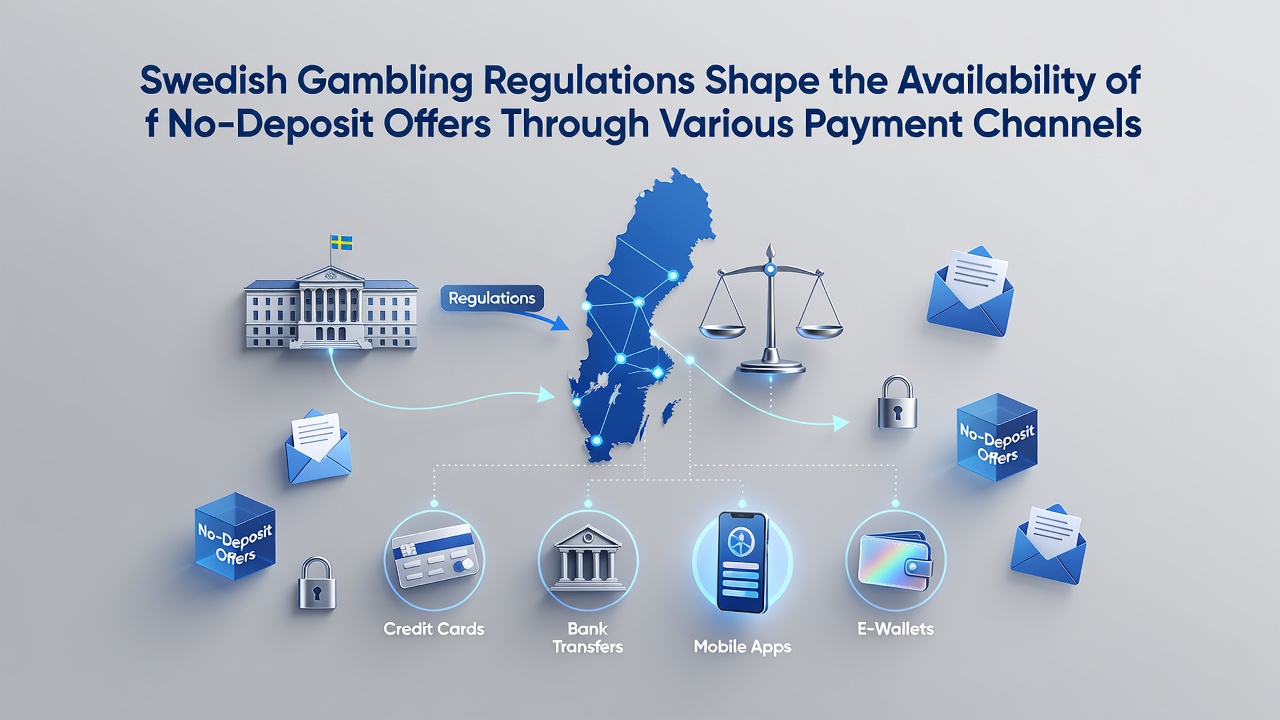
Swedish Gambling Regulations Shape the Availability of No-Deposit Offers Through Various Payment Channels
Swedish gambling regulations have established clear boundaries around bonus structures since the 2019 re-regulation, and these rules directly influence how no-deposit offers reach players through different payment channels, with Spelinspektionen maintaining oversight of all licensed operators and their promotional activities.
Regulatory Framework and Bonus Restrictions
Under current Swedish law operators may provide only one welcome bonus per customer across an entire license period, which limits the scope of no-deposit promotions compared to less regulated markets, while data from Spelinspektionen shows that verification requirements tied to payment methods further restrict instant access to such offers. Players must complete full account verification before any bonus becomes available, and this process often connects directly to the payment channel selected during registration because banks and e-wallets provide the identity data needed for compliance checks.
Payment Channel Specific Impacts
Bank transfers and Swish remain the dominant methods in Sweden, yet they impose stricter timelines on no-deposit bonus activation since funds movement and identity confirmation happen simultaneously, whereas card payments and certain digital wallets sometimes allow faster initial setup but still require the same regulatory documentation before bonus credits appear in an account. Research from the Swedish Gambling Authority indicates that operators must report all promotional activity by payment type, creating detailed records that show how channel choice correlates with bonus eligibility and redemption rates across licensed platforms.
Channel Variations and Compliance Requirements
Observers note that mobile payment apps popular among Swedish users integrate verification steps that align closely with gambling license conditions, which means no-deposit offers tied to these apps often appear only after the user completes multi-factor authentication and address confirmation, whereas slower traditional bank routes can delay bonus visibility by several days even though the underlying regulatory rules remain identical. Figures reveal that operators adjust their promotional strategies based on these channel differences, offering no-deposit deals more frequently through faster digital pathways while maintaining the single-bonus rule across all methods to stay within legal limits.
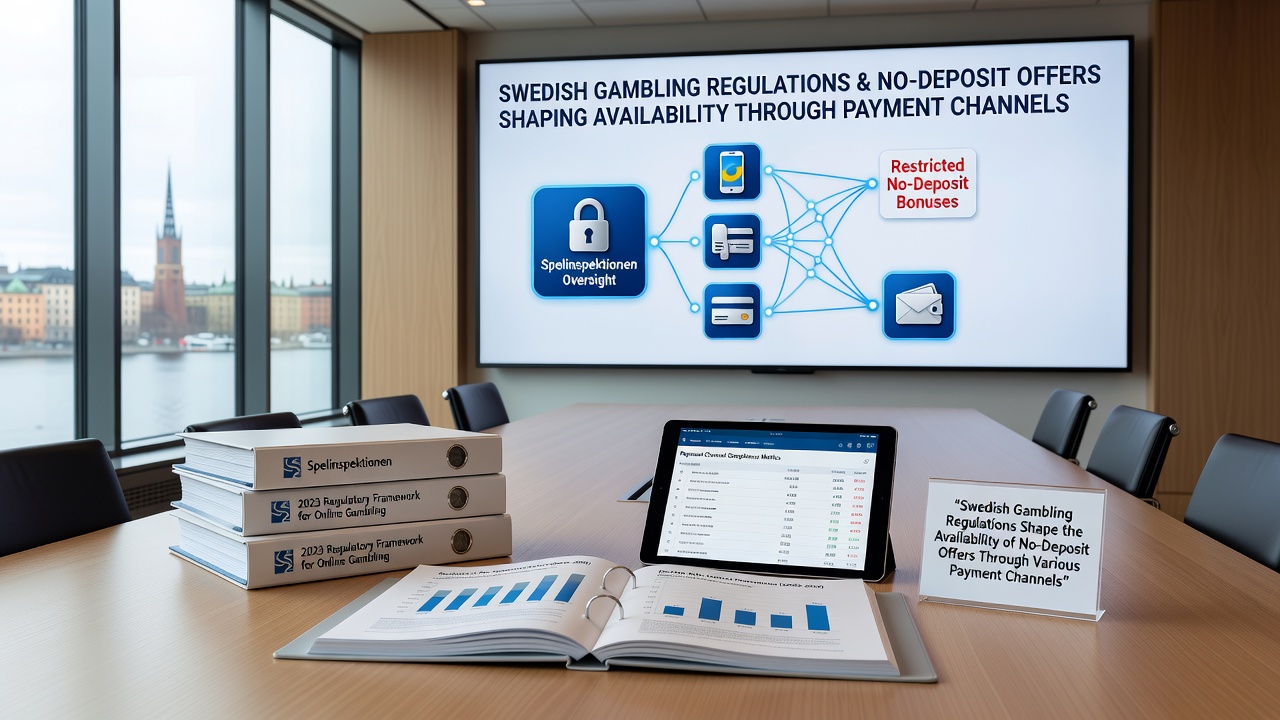
Industry reports from the European Gaming and Betting Association highlight similar patterns across Nordic markets where payment verification speed influences how quickly players encounter promotional content, and Swedish platforms follow these trends by embedding compliance checks into the payment flow itself rather than handling them as separate steps. Data collected through September 2026 continues to track these interactions, showing consistent application of the rules without major shifts in how channels affect bonus availability.
Future Adjustments and Market Responses
Licensed operators monitor regulatory updates closely because any change in verification standards could alter how no-deposit offers distribute through specific payment networks, and current evidence suggests that channels with built-in identity services maintain an advantage in delivering seamless promotional experiences under existing guidelines. Those who study Swedish gambling patterns observe that payment method selection at signup often determines the practical timeline for accessing no-deposit credits even though the regulatory text applies uniformly to all licensed activity.
Conclusion
Swedish regulations continue to guide how no-deposit offers function across payment channels by enforcing uniform verification and bonus limits that operators must implement regardless of teh method chosen, and ongoing data collection through 2026 provides clear records of these interactions between compliance requirements and channel capabilities.